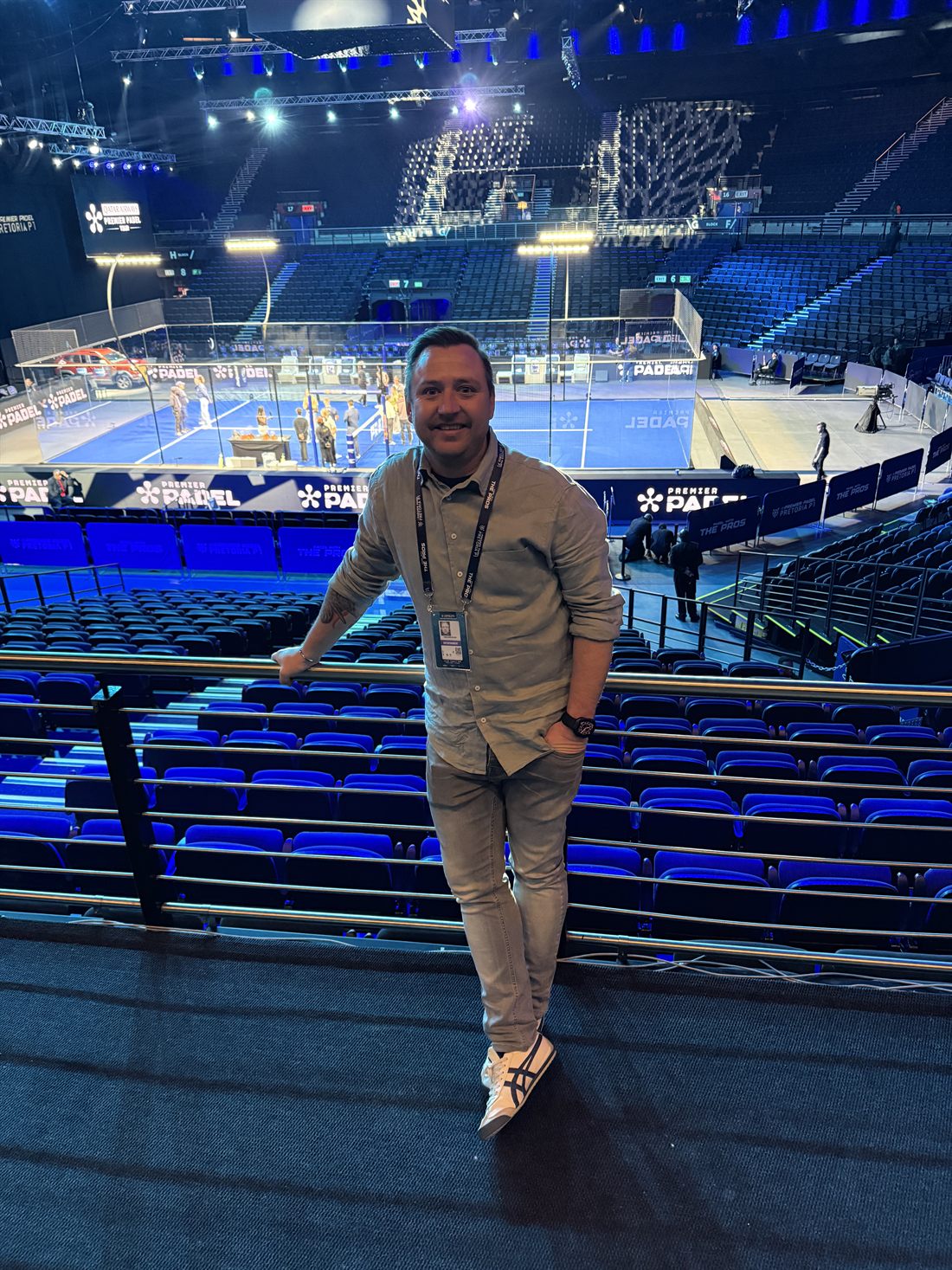
Tryfer Industries is a South African production design company founded by Renaldo van den Berg, with work spanning national and international productions. We run one connected pipeline — from first brief to show day — designing the lighting, sets, screen content and technical direction for broadcast television, live concerts, awards shows, gospel events, DVD recordings, corporate events, brand launches and exhibition stands. Nothing is handed over between stages: the design intent that leaves the first meeting is the design intent the audience sees.
Every design is built in a single technical model, rendered photoreal, and signed off by the client before production money is committed. Shows are pre-programmed in previz before load-in, and every rig ships with full structural weight calculations. The show you approve is the show you get — and the drawings behind it are the ones your suppliers quote from, your riggers hang from, and your director shoots to.
That process carried the Metro FM Awards 2026 and the SAFTAs — and it runs every corporate event, gospel show, DVD recording and exhibition stand we design: broadcast standards, whether a camera is in the room or not. The work is the proof: the room reads cinematic before the camera ever rolls.
Renaldo's career was built on the road: theatre tours through Japan, concert tours across Europe, and international production work in Dubai. Back home, he worked on the lighting design for the Castle Lite Unlocks tour of South Africa — the shows that brought Travis Scott and Bryson Tiller to local stages — and ran lights for the opening act on the South African leg of the Guns N' Roses tour.
Twenty-plus years later, that touring discipline is the reason Tryfer runs the way it does: designs that survive contact with real venues, real schedules, and live shows of every kind.
Nominated for Best Lighting Designer at the 9th Africa Magic Viewers' Choice Awards, Lagos, 2023.
Featured in the global video series profiling leading lighting designers worldwide.
Lead lighting designer for two consecutive years of the SABC-broadcast Metro FM Awards.
In most productions, the brief passes through a dozen hands before it reaches the audience — and something is lost at every handover. We keep the whole pipeline under one roof, so the design intent that leaves the first meeting is the one that reaches the screen.
A photoreal render and a signed technical model mean the client approves the actual show — not a mood board or a best guess. The last free change happens on paper, before load-in, crew, and hire costs start running.
Structural loads calculated, cues pre-programmed, sightlines resolved in the model. By the time we're on site, the show is already proven — the schedule is for delivery, not discovery.
Every show is built to broadcast tolerances whether a camera is in the room or not. That discipline is the reason the room reads cinematic before anyone hits record.